



[vc_row css=”.vc_custom_1540302836064{padding-bottom: 47px !important;}”][vc_column]
Masai Mara National Park
When millions of these ungainly beasts move north from the Serengeti seeking lusher grass before turning southern around October. While you`re more likely to see endless columns grazing or trudging along rather than dramatic TV-style river fordings, it is nonetheless a staggering experience.
(Controlled by the Narok County County Government) and the Trans-Mara National Reserve (managed by Mara Conservancy)
The reserve’s western edge normally has the highest concentration of species, although better roads drive most tourists to the reserve’s eastern side.
Lions are found in enormous prides all throughout the world, and it is usual to watch them hunting. Leopards and cheetahs are fairly abundant but less obvious. There are also many of elephants, buffaloes, zebras, and hippos.
The black-striped Thomson’s gazelle and the larger Grant’s gazelle are the most common antelopes, however impalas, topis, Coke’s hartebeests, and wildebeests aren’t far behind in terms of population size.
Masai giraffes, baboons, warthogs, jackals, bat-eared foxes, and matriarchal clans of spotted hyenas are some more prevalent creatures. The few hundred black rhinos are exceedingly elusive and difficult to spot.
The yearly migration of wildebeests in July and August is without a doubt the main draw, though it occasionally continues into early October.
When millions of these awkward animals go from the Serengeti to the north in search of greener grass before turning south around October.
It is a mind-boggling sensation even though you are more likely to see countless columns grazing or walking along than dramatic river fordings like on TV.[/vc_column_text][/vc_column][/vc_row][vc_row css=”.vc_custom_1540914103711{padding-top: 48px !important;padding-bottom: 35px !important;}”][vc_column offset=”vc_col-lg-10″]
Destination Tour Packages

History
In 1906 Amboseli was set aside as the Southern Reserve for the Maasai, but it was again returned as a game reserve to local control in 1948. In 1974 it was gazetted as a Kenyan national park in order to protect it as the core of this unique ecosystem. Since 1991, it has been declared as a UNESCO site.
Good to Know
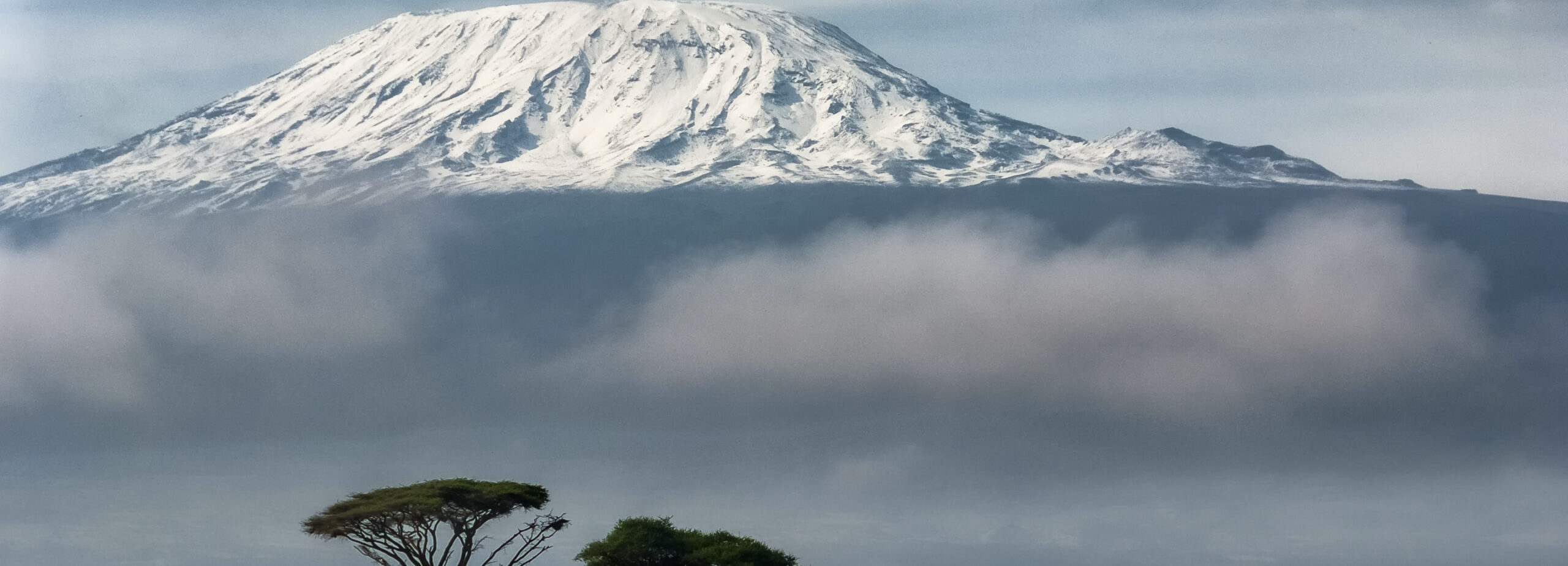
Amboseli National Park is in southern Kenya. It’s known for its large elephant herds and views of immense Mount Kilimanjaro, across the border in Tanzania. Observation Hill offers panoramas of the peak and the park’s plains and swamps. Varied wildlife includes giraffes, zebras, cheetahs and hundreds of bird species. The western section is dominated by vast Lake Amboseli, which is dry outside the rainy season. ― Google


Leave a Reply
Do you have some comments or questions for us? We’d love to hear from you! Don’t be shy! Feel free to drop us a message!